Clash at Demonhead
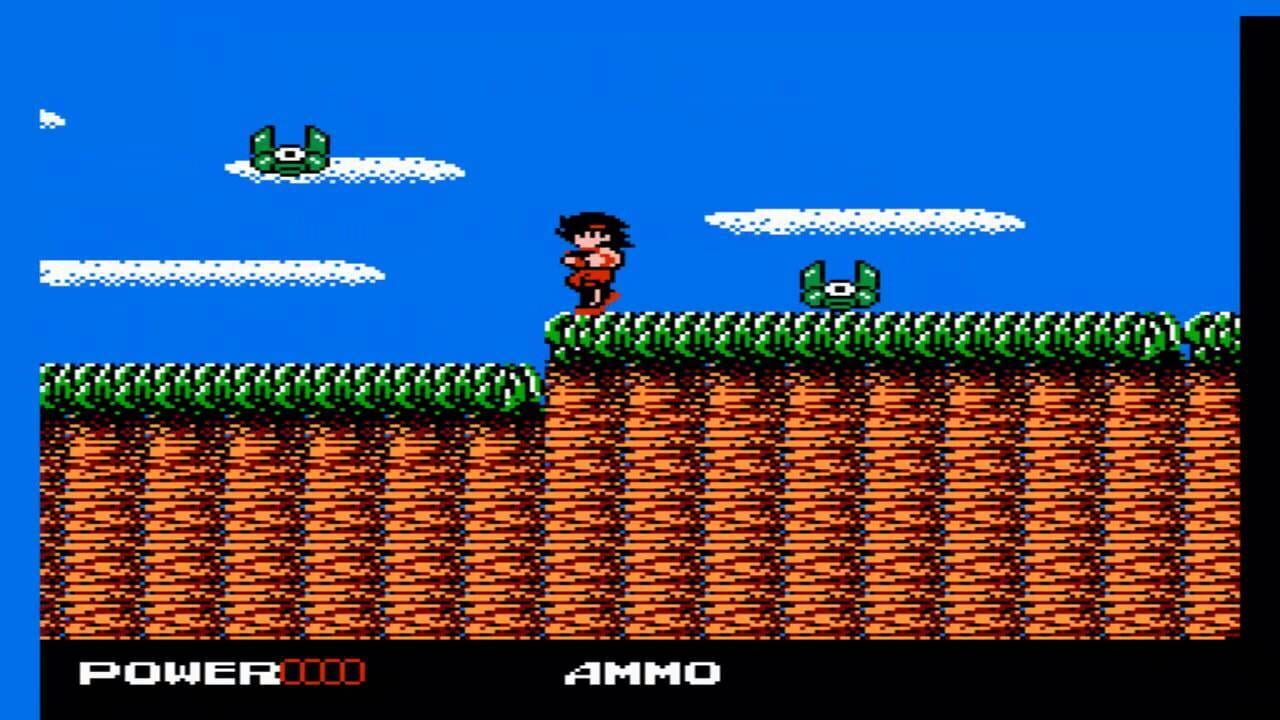
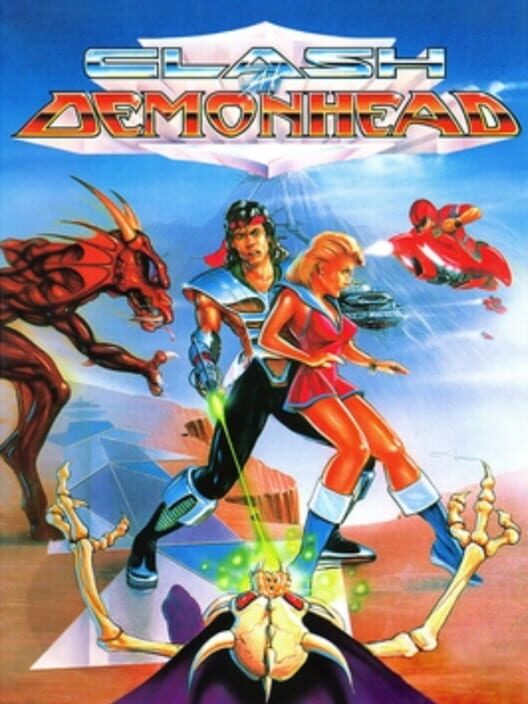
Clash at Demonhead is an open-ended platformer. The player takes control of Billy "Big Bang" Blitz, who is capable of running, jumping, and shooting. He is initially armed with a handgun, though various upgrades can be purchased from a shop. He later gains the ability to perform various powers by collecting Force, including shrinking, teleportation to previously-visited areas, flight, healing, and invincibility. The player chooses levels from a world map that consists of over forty routes. Various objectives must be met to complete the game.
SELECT ROM VERSION
Choose your preferred language or region
NO ROM
This game doesn't have a ROM file available yet. Please check back later.
Loading emulator...
Game Controls
Default
Game Controls
Default- D-Pad / MoveD-Pad↑ ↓ ← →
- A ButtonAZ
- B ButtonBX
- StartSTARTENTER
- SelectSELECTSHIFT
About The Retro Game
Clash at Demonhead stands out on the NES for its unusually open-ended platforming design. You play as Billy “Big Bang” Blitz, running, jumping, and blasting enemies with firearms and special powers while freely choosing routes from a sprawling world map of more than forty areas. Instead of simple left‑to‑right stages, the game lets you explore, backtrack, and unlock new paths using abilities like shrinking, teleportation to visited zones, flight, healing, and temporary invincibility. Layered on top is a shop system where you buy weapon and equipment upgrades, giving the adventure a light RPG flavor.
Released in 1989, Clash at Demonhead arrived late in the NES life cycle, when players were ready for deeper, more experimental action games. Its nonlinear structure prefigured elements of later “Metroidvania” design, and its multiple objectives and branching routes offered a sense of scale and freedom that was rare on 8‑bit consoles. For its time, the game pushed the NES with a large interconnected overworld, varied environments, and a surprisingly rich set of character abilities.
Over the years, Clash at Demonhead has become a cult classic, remembered as an ambitious oddball that tried to blend fast action with open exploration. Its title and style even earned a nod in modern pop culture, inspiring the band name “The Clash at Demonhead” in the Scott Pilgrim series. For retro fans and game designers alike, it remains an interesting study in early experimentation with nonlinear level design and player choice on limited hardware.
Screenshots