The Legend of Zelda: Majora's Mask
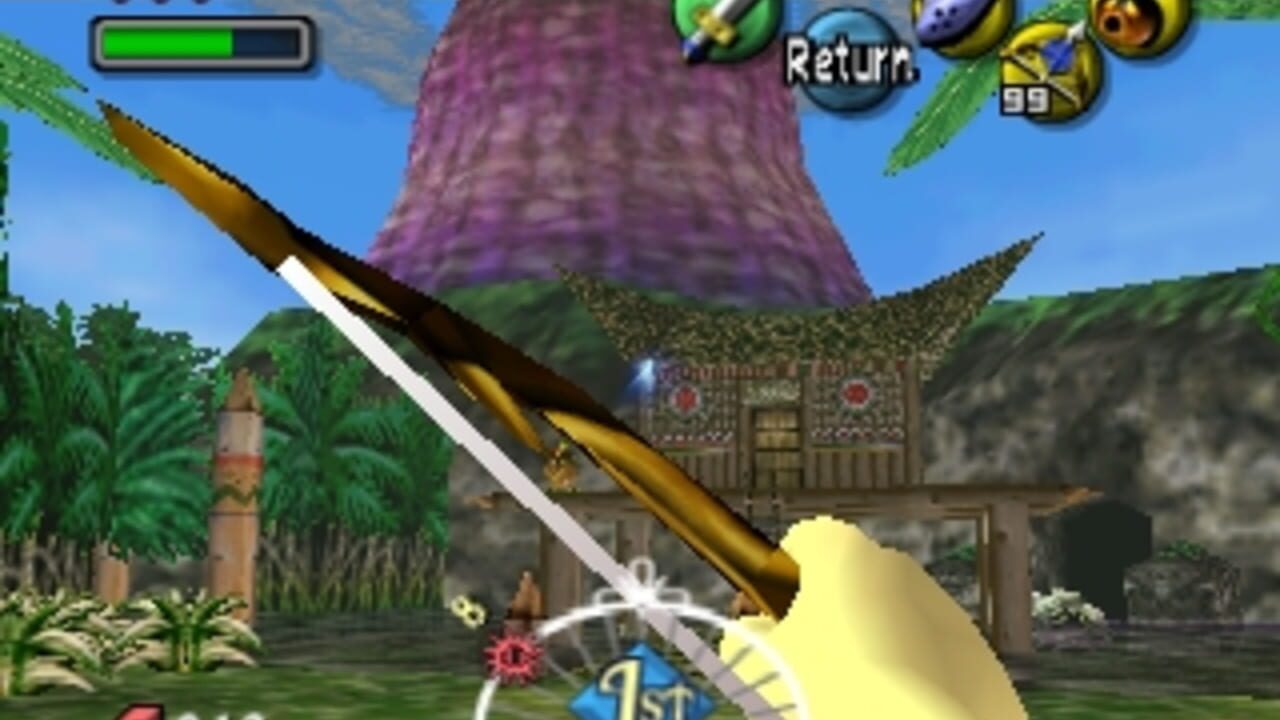
The Legend of Zelda: Majora's Mask is a direct sequel to Ocarina of Time, it utilizes the same engine and visual style as its predecessor. The game retains the traditional elements of Zelda games as well as those introduced in Ocarina of Time, such as active blocking with a shield, various throwing items, and the usage of melodies played on the ocarina to solve puzzles. Compared to the previous Zelda games, this installment is more oriented towards interaction with NPCs and has a larger variety of items, optional quests, and mini-games. It also includes a time system that spans three days, and this cycle must be reset periodically to progress through the game.
SELECT ROM VERSION
Choose your preferred language or region
NO ROM
This game doesn't have a ROM file available yet. Please check back later.
Loading emulator...
Game Controls
Default
Game Controls
Default- D-PadD-Pad↑ ↓ ← →
- Analog StickAnalogW A S D
- A ButtonAJ
- B ButtonBK
- L ShoulderLQ
- R ShoulderRE
- Z TriggerZSPACE
- C-UpC↑I
- C-RightC→L
- C-DownC↓K
- C-LeftC←J
- StartSTARTENTER
About The Retro Game
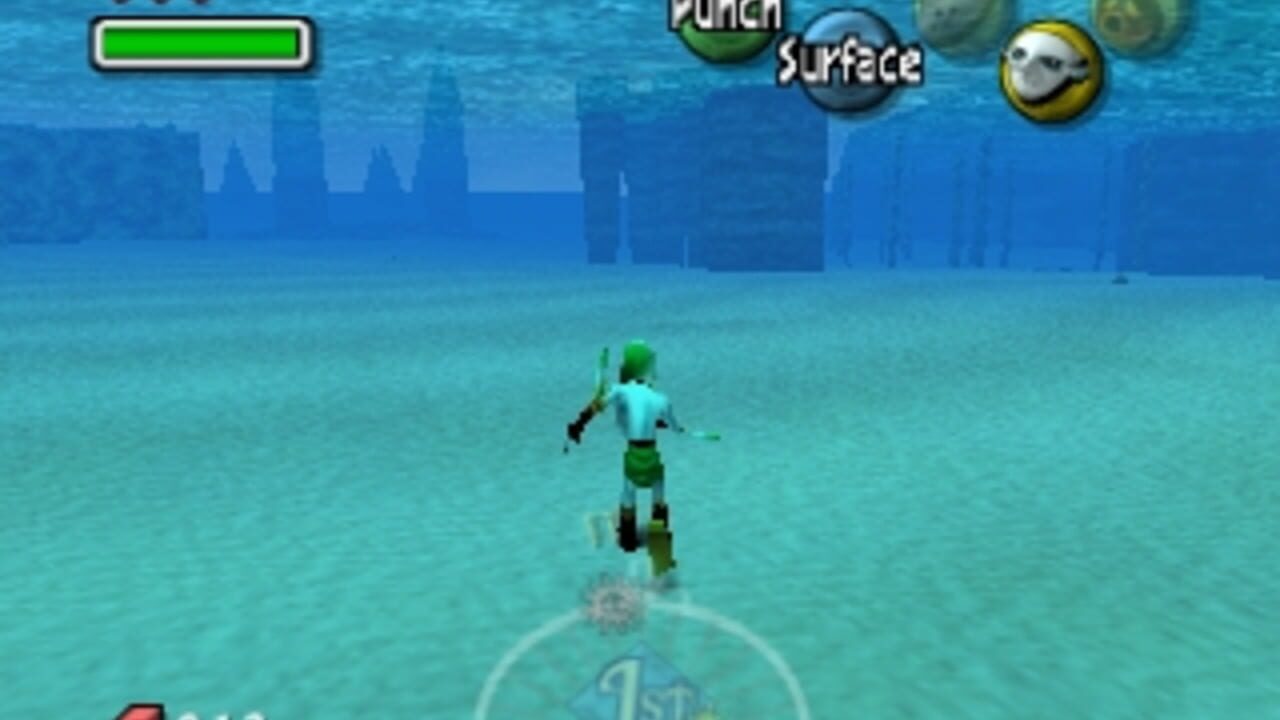
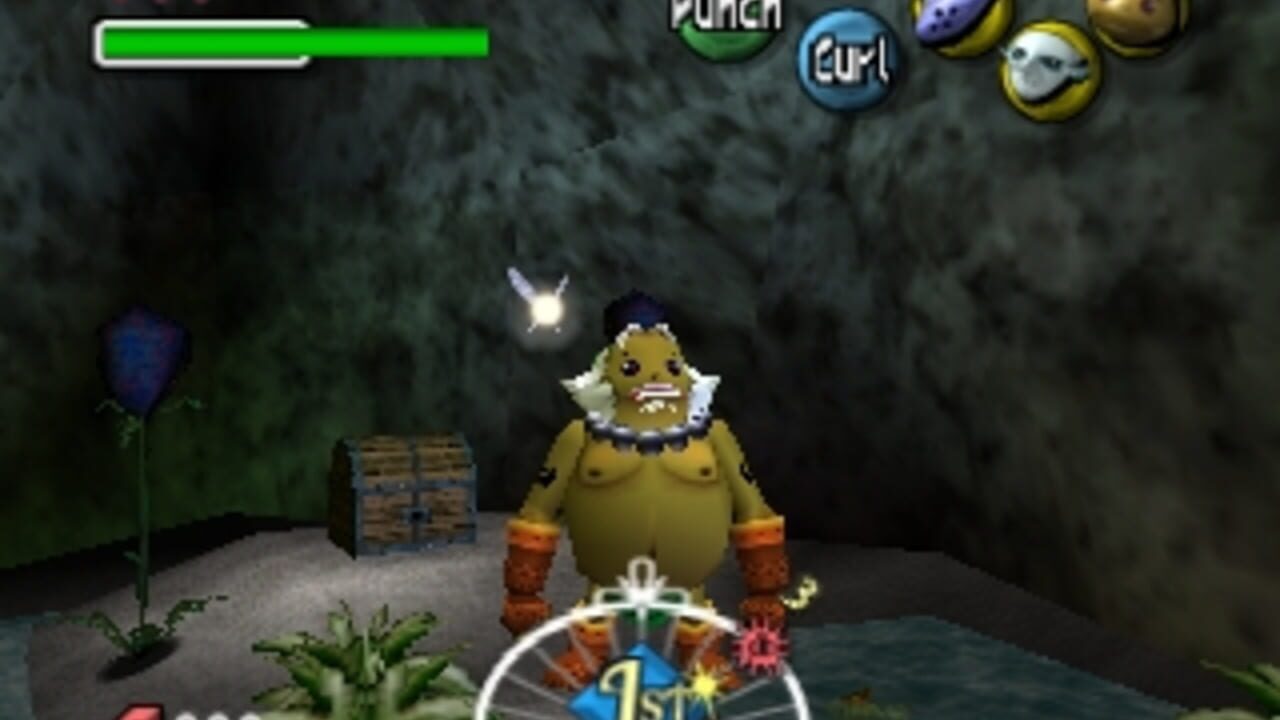
The Legend of Zelda: Majora's Mask builds on Ocarina of Time’s 3D foundation but shifts the focus from sprawling dungeons to dense, living schedules. You relive the same three in‑game days over and over, using your ocarina to reset time while keeping key items and knowledge. Masks fundamentally change gameplay: some alter your abilities or social interactions, while transformation masks let Link become a Deku, Goron, or Zora with entirely different move sets for combat, traversal, and puzzle solving. The result is a uniquely tense loop of exploration, planning routes, and mastering Clock Town’s intricate routines.
Released in 2000 for the Nintendo 64, Majora's Mask was a bold sequel created in an unusually short development cycle by reusing and enhancing the Ocarina of Time engine. For its era, it pushed technical boundaries with a dense world packed into limited hardware: dynamic day–night cycles, scheduled NPC behaviors, and event flags that changed scenes based on the exact time and your choices. The game’s darker tone, haunting moon, and themes of grief and impending doom gave it a distinct identity within the Zelda series, influencing later narrative‑driven adventures and earning a lasting reputation as one of the most experimental classics in Nintendo’s catalog.
Majora's Mask is also remembered for its ambitious side quests and interwoven stories. Many players still discuss the Anju & Kafei questline, a multi‑day narrative that showcases the time system at its best. Its mask collection, intricate mini‑games, and layered secrets have turned it into a cult favorite, frequently cited in retrospectives and academic discussions about game design, player agency, and emotional storytelling in games.
Screenshots