Castlevania: Aria of Sorrow
The year is 2035 and Soma Cruz is about to witness the first solar eclipse of the 21st century when he suddenly blacks out -- only to awaken inside a mysterious castle. As Soma, you must navigate the castle's labyrinths while confronting perilous monsters at every turn. But beware, you must escape before the evil consumes you!
SELECT ROM VERSION
Choose your preferred language or region
NO ROM
This game doesn't have a ROM file available yet. Please check back later.
Loading emulator...
Game Controls
Default
Game Controls
Default- D-Pad / MoveD-Pad↑ ↓ ← →
- A ButtonAZ
- B ButtonBX
- L ShoulderLA
- R ShoulderRS
- StartSTARTENTER
- SelectSELECTSHIFT
About The Retro Game
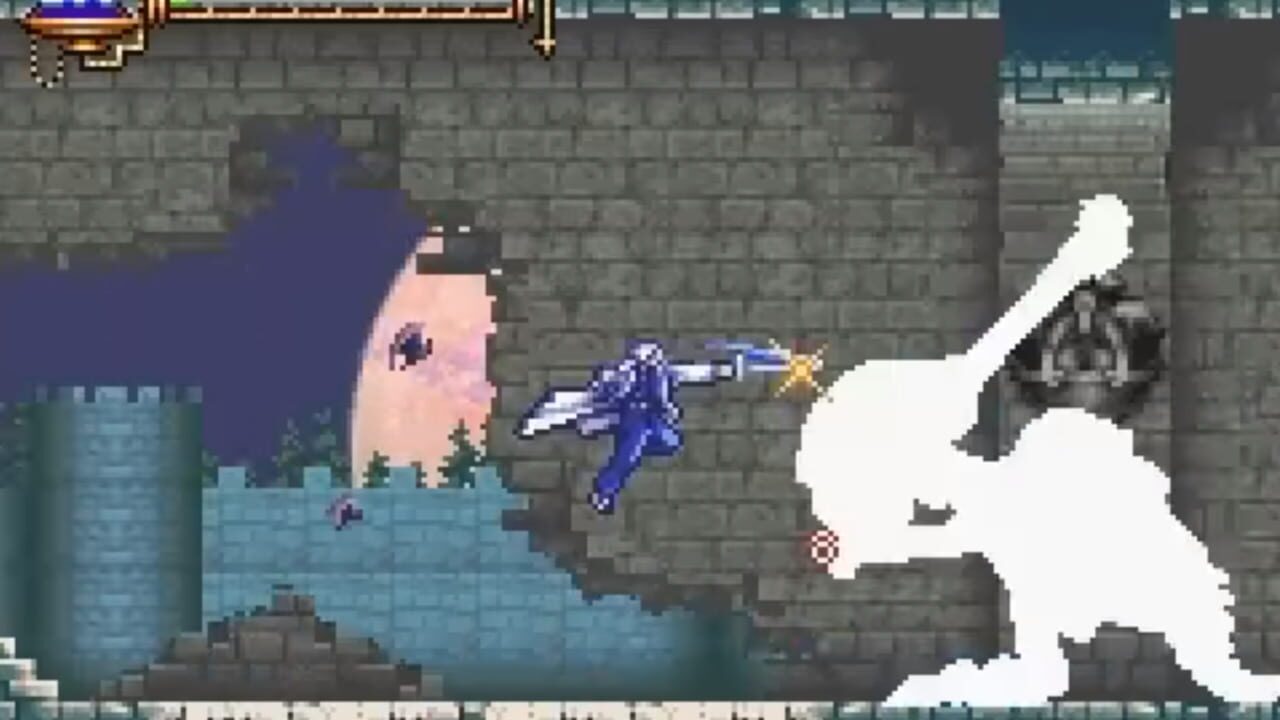
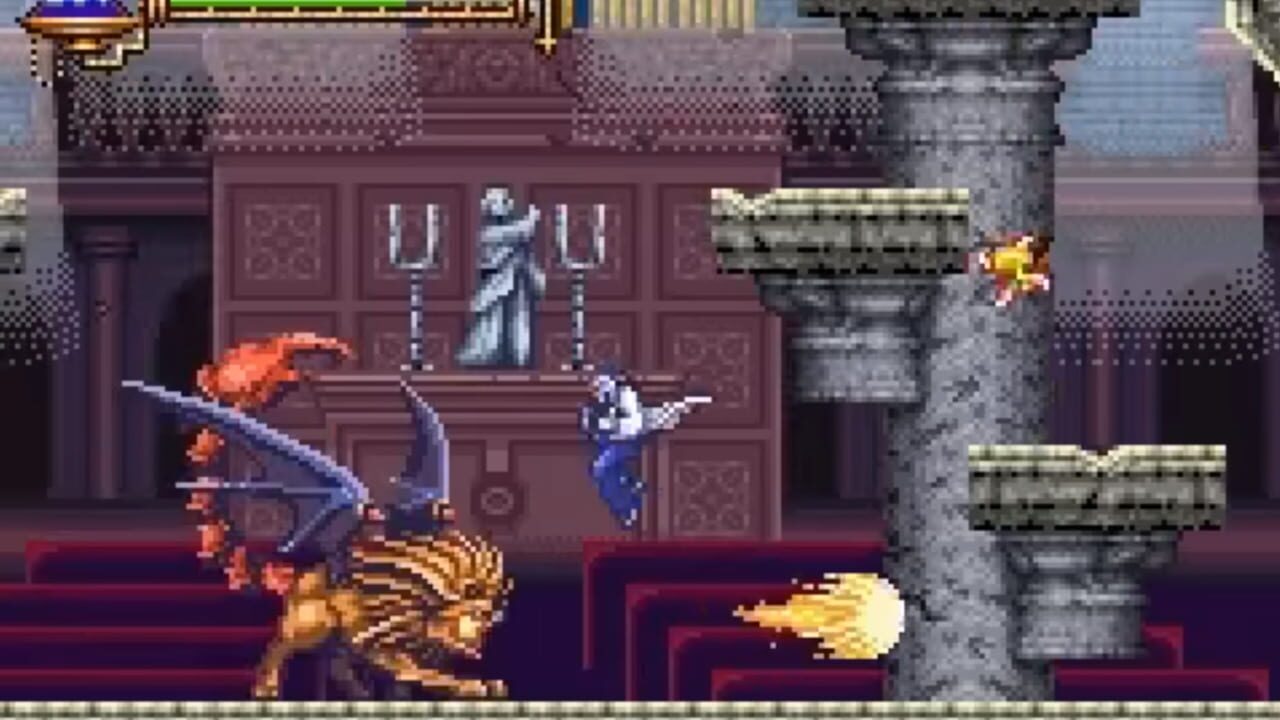
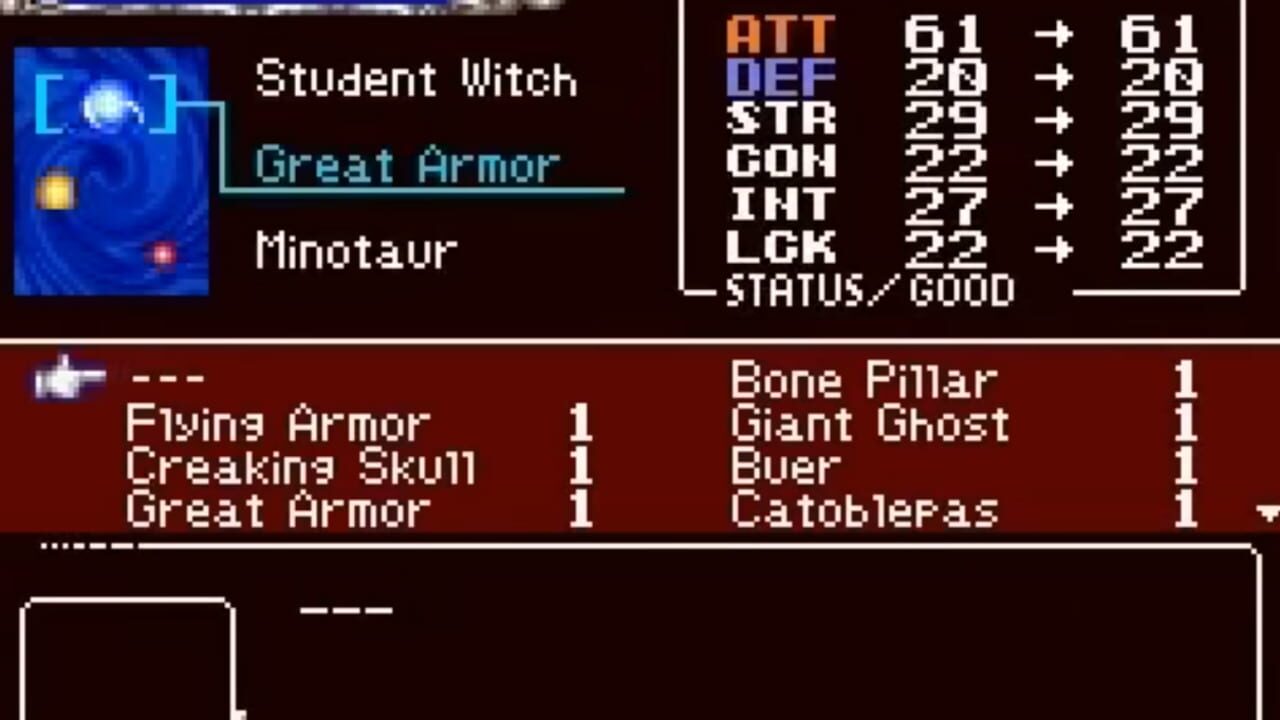
Castlevania: Aria of Sorrow refines the classic "exploration RPG" formula the series helped popularize on handhelds. You play as Soma Cruz, navigating a sprawling, interconnected castle packed with secret rooms, platforming challenges, and intense real‑time combat. Its signature Tactical Soul system lets you absorb abilities from defeated enemies, then mix and match them to customize your playstyle—ranging from screen‑filling magic attacks to movement upgrades and passive buffs. This deep progression loop, combined with tight controls and clever boss design, makes every new area and power‑up feel meaningful.
Released on Game Boy Advance in 2003, Castlevania: Aria of Sorrow is widely regarded as one of the best entries in the entire franchise and a high point of the "Igavania" era. It pushed the GBA hardware with detailed gothic spritework, fluid animation, and a richly atmospheric soundtrack that still stands out on the system’s limited audio chip. Its futuristic 2035 setting and story twists were unusual for the series at the time, helping it stand apart from earlier, more traditional vampire‑hunter tales.
Aria of Sorrow’s influence can be seen in how often it’s cited by fans and critics as a must‑play Metroidvania and a benchmark for portable action‑RPG design. The Tactical Soul system in particular inspired later customization mechanics in both Castlevania sequels and indie spiritual successors. Even today, its mix of exploration, build experimentation, and replay value keeps it relevant for speedrunners, challenge‑run enthusiasts, and players discovering classic handheld adventures for the first time.
Screenshots